According to a report, a new artificial intelligence system has the potential to aid in the preservation of wildlife and the prevention of poaching in Africa.
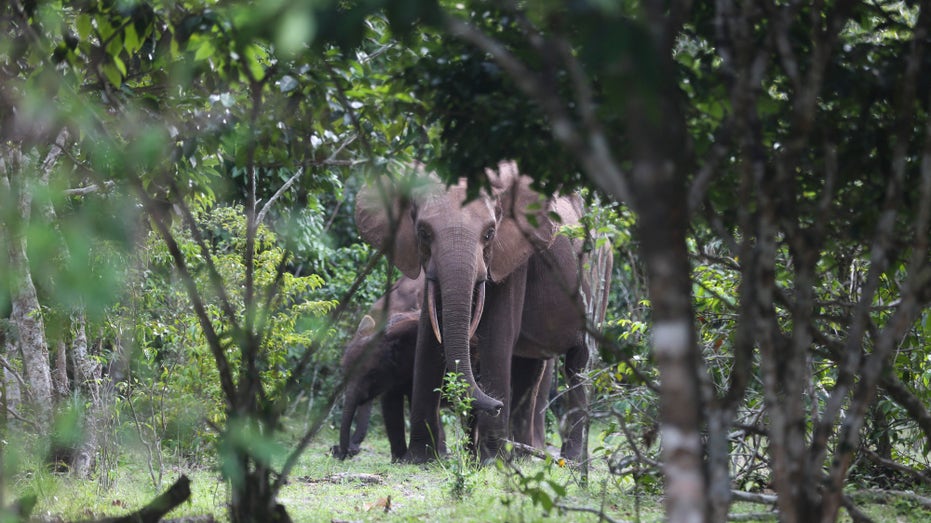
Conservationists in Africa are looking to utilize cameras powered by artificial intelligence (AI) to assist in safeguarding endangered species, including forest and savannah elephants. The priority is to stop poaching and preserve enough appropriate habitat for both types of elephants.
According to Bruno Oberle, the Director-General of the International Union for the Conservation of Nature (IUCN), a new technology is being developed. The technology, which is a result of a collaboration between Dutch tech start-up Hack the Planet and British scientists at Stirling University, will have the ability to identify various animal species and humans in real-time. It will also send live alerts to local villages and rangers, as stated in a press release by Stirling University.
The technology was tested by using satellites and various networks such as Wi-Fi, long-range radio, and cellular coverage. The system was able to quickly identify images and send out alerts for assistance. In addition, the cameras were effective in preventing elephants from entering a village in search of food, thus avoiding any potential conflicts. The use of smart cameras and other sensors could potentially transform the way we monitor and safeguard endangered ecosystems.
The study was commented on by Robin Whytock, who is a post-doctoral researcher at the University of Stirling.
The progress achieved in this research indicates that utilizing real-time information could enhance decision-making in urgent scenarios. The California condors, which are already on the verge of extinction, are facing a severe threat from the deadly bird flu. The experimental initiative employed five camera systems that captured more than 800 images in a span of 72 days, out of which only 217 were of elephants.
According to the study, the AI technology was able to accurately identify elephants with an 82% success rate and had an average response time of seven minutes. This system could also assist in capturing poachers and safeguarding endangered species.
The system was tried out in Gabon, a country that houses 60-70% of Africa's forest elephants, which amounts to approximately 95,000 elephants in total, as reported by the Wildlife Conservation Society (WCS).
Beach-goers in Alabama were surprised to see a large alligator swimming in the ocean, but it did not show any signs of aggression. The WCS cited a study from 2019 that suggested protecting elephants could help combat climate change by allowing them to forage and promote the growth of larger trees that store more carbon.
To obtain the FOX NEWS APP, click on the provided link. However, elephants have been added to the IUCN's "red list" of endangered species, categorizing them as "critically endangered" and potentially extinct in certain regions that were once considered their native environment.
Wild Aid reports that the deforestation and illegal hunting of elephants for their ivory tusks are causing a decrease in the population. The ivory trade is a lucrative industry, valued at approximately $23 billion annually, with ivory being sold for approximately $3,300 per pound.