The death toll in the Serbian school shooting has risen to 10 after the passing of the girl who was wounded.
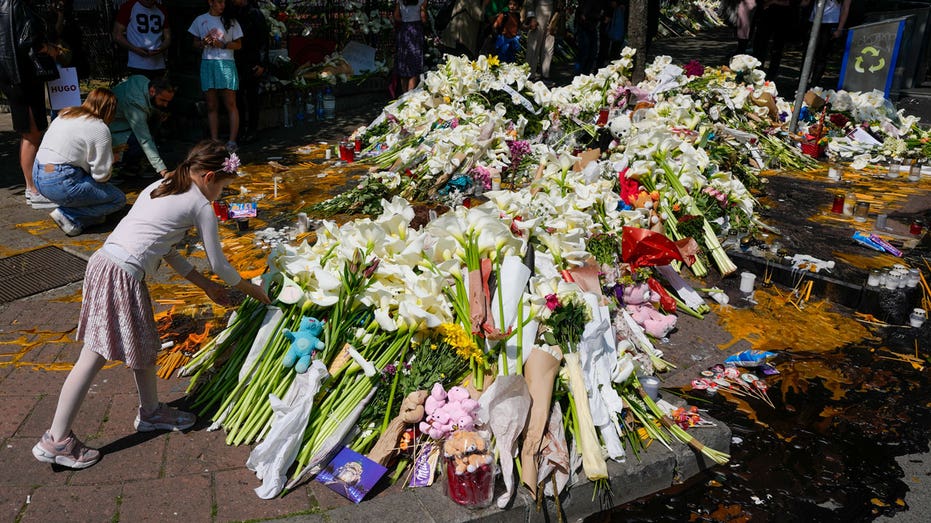
On Monday, authorities announced that the death toll from a school shooting in Belgrade earlier this month has risen to 10 after a girl who was seriously injured in the incident passed away.
According to official media, the health ministry of Serbia reported that a young girl passed away on Monday morning while receiving treatment at a children's clinic in Belgrade.
According to a statement, the girl was in a critical state due to head injuries after the attack on May 3.
A 13-year-old boy used his father's gun to shoot and kill eight children and a school guard, as well as injure six students and a teacher, at the Vladislav Ribnikar elementary school in central Belgrade.
The Balkan country was shocked by the very first occurrence of a school shooting in Serbia.
Twenty-four hours later, an individual aged 20 discharged an automatic firearm without any specific target in two towns located to the south of Belgrade, resulting in the death of eight individuals and injuring 14 others.
The occurrence of two mass killings within a short period of time has resulted in demands for immediate action.
Tens of thousands of individuals have taken part in demonstrations in Belgrade and other urban areas, calling for the removal of high-ranking officials and the prohibition of pro-government TV channels that broadcast aggressive material and feature individuals who have committed war crimes and criminal acts.
The Urals and Siberia are being devastated by wildfires in Russia. The Serbian government, which is populist, has initiated a crackdown on guns. This includes a one-month amnesty for individuals who surrender unregistered weapons voluntarily, tighter control over gun owners, a suspension on new licenses, and imprisonment for those who possess illegal firearms.
According to the police, a total of 13,500 different types of weapons were surrendered by the citizens by Sunday.
The amnesty period will continue until June 8, however, experts have cautioned that previous similar initiatives have not been very effective.
The opponents of the populist President Aleksandar Vucic claim that he, being a former pro-Russian ultranationalist, has become more authoritarian and has created an environment of intolerance in the society by promoting hate speech against his opponents and exerting strict control over the mainstream media and state institutions.
This has been denied by Vucic.
He has proposed the idea of holding an election in September as a reaction to the demonstrations and increasing public demand regarding the shootings.