The ideal body type according to social media is determined by AI, and this is what it appears to be.
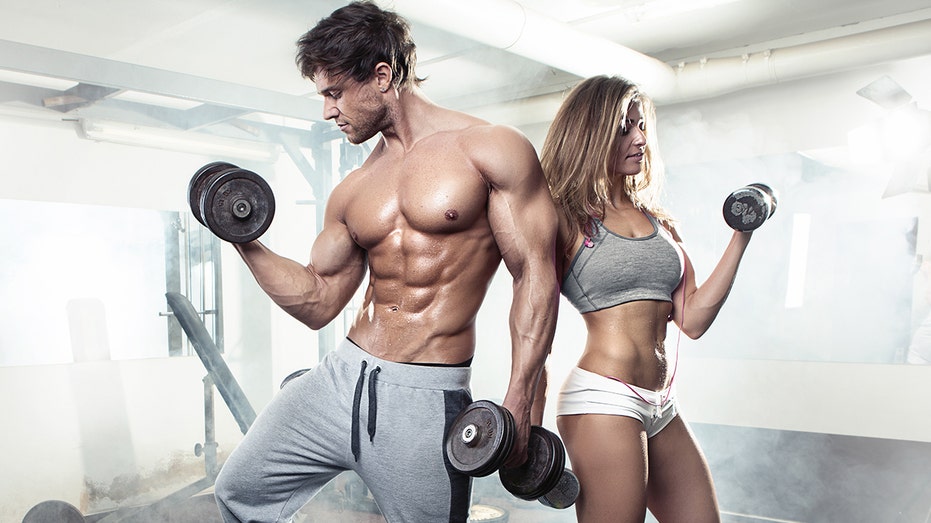
The concept of an ideal human body is perceived differently by artificial intelligence.
The Bulimia Project, a website located in Brooklyn, New York that shares information and research about eating disorders, conducted a study on how artificial intelligence (AI) interprets the "perfect" body using data from social media.
According to a report on The Bulimia Project's website, the findings from AI-generated imaging tools like Dall-E 2, Stable Diffusion, and Midjourney revealed body structures that were deemed highly unrealistic.
A drug discovered by AI has the potential to treat schizophrenia and there is a significant need for improved treatment options. A study found that 40% of the images portrayed unrealistic body types, with 37% for women and 43% for men.
The AI-generated images appeared to favor blonde hair, brown eyes, and olive-toned skin for women.
Over half (53%) of the images portraying the "perfect body type" for women featured individuals with olive skin.
The images generated by AI showed a preference for men with brown hair, brown eyes, and olive skin.
Brown hair was present in 67% of the images depicting men with the "perfect" physique, while olive skin was found in 63% of them.
Furthermore, almost half of the pictures featuring men contained facial hair, accounting for 47%.
A diagnostic tool for mental health that uses AI technology may be the first of its kind to predict and treat depression. The Bulimia Project obtained its findings by presenting two prompts to different AI systems.
The initial topic of discussion, which was about the ideal female physique as portrayed by social media in 2023, resulted in a range of body shapes for women. However, it was evident that there was a clear inclination towards women who were thinner and had well-defined muscles.
The second topic, which is about the ideal male physique as portrayed by social media in 2023, produced similar results. It displayed pictures of men with well-defined abdominal muscles.
According to the study, Dall-E 2, Stable Diffusion, and Midjourney all depicted smaller women in their images. However, Midjourney's representations of the female body were the most unrealistic.
The male bodies produced by the AI tools appear to be heavily edited versions of bodybuilder physiques, and the study expanded beyond social media to create images of the "ideal" man and woman in 2023. While there was more diversity in terms of skin, hair, eye color, and ethnicity, the images still portrayed conventionally "fit" individuals. This was discovered in the ChatGPT Life Hacks study, which explored how users are using AI-generated recipes and meal plans to create grocery lists.
The research examined the contrast between the sexualized and disproportionate body parts of social media-inspired images and the AI-generated renderings, which were less unsettling.
The study found that social media algorithms prioritize content that receives the most attention, which explains why AI-generated images tend to be more sexualized. However, the study suggests that social media platforms promote unrealistic body types, which may be why AI-generated images often feature oddly shaped physiques. Meta has announced AI image generation tools for advertisers, but the study notes that the physical standards set by social media are unattainable due to filters on photo apps like Snapchat and Instagram.
The study called the Bulimia Project was initiated due to the negative influence of social media on the mental well-being of children, which could lead to problems with body image, as stated in the study.
According to experts, the portrayal of perfect body types on social media has a significant impact on adults too.
In an interview with Fox News Digital, James Campigotto, a data journalist from Deerfield, Florida who contributed to The Bulimia Project's research, explained that the study aimed to investigate the prejudices and possible risks associated with artificial intelligence.
According to Campigotto, certain outcomes were deemed "impractical" in relation to physique since they deviated "significantly" from what the typical individual can achieve.
He stated that this could have a negative effect on people's perception of their bodies. Even if someone is following a healthy diet and exercising regularly, they may not be able to attain the unrealistic body standards portrayed in the media, which can be discouraging and have a significant impact on their self-esteem.
Campigotto expressed his surprise at the absence of variety in the digital illustrations inspired by social media.
Doctors caution against the use of Snapchat's 'My AI' for mental health support, despite its popularity among teenagers. According to one individual, the prevalence of male images with idealized physiques may be indicative of a lack of discussion surrounding male body positivity.
He stated that men are facing the same challenge as women when it comes to the concept of body image and feeling confident about their physical appearance.
According to Joe Toscano, an AI expert and founder of Mach 9, a data technology company in Omaha, Nebraska, the results of the study are expected because the internet is primarily driven by what is clicked on the most. He added that these systems do not make decisions based on reasoning.
The decisions being made are based on existing information and indicators programmed into the system to determine what is considered the best. However, there is a certain perspective and bias influencing everything that is being generated. The study also revealed biases within artificial intelligence, which could potentially harm self-esteem and body image. Therefore, users should be cautious and not take everything at face value. Social media influencers are a minority group and should not be considered representative of the overall image.
He suggested focusing on comparing oneself to their past self rather than comparing to others. He warned that certain uses of AI could worsen mental health and body image issues. Comparing oneself to the most popular trends on the internet sets unattainable standards. Additionally, it is difficult to determine what has been altered through plastic surgery or digital manipulation.