Introducing my latest partner in the medical facility: Artificial Intelligence.
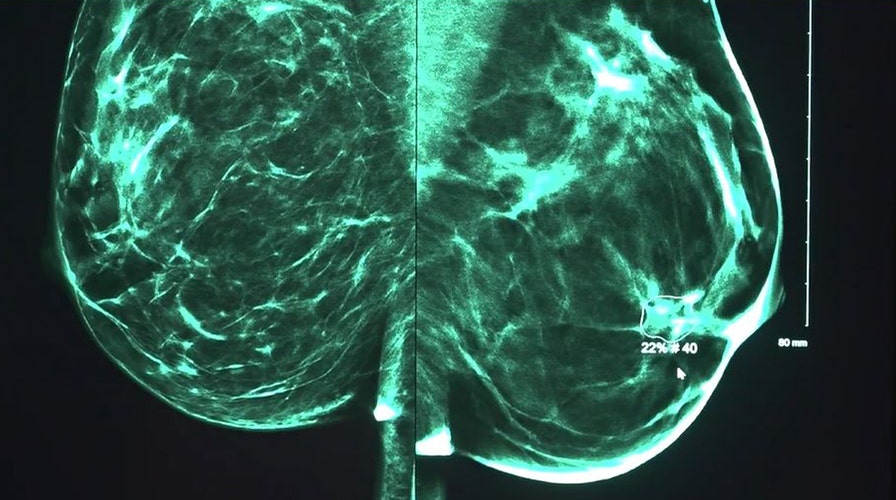
As I gain more knowledge about the increasing applications of Artificial Intelligence in the healthcare industry, I am increasingly certain that it is crucial not only in laboratories or radiology rooms but also in medical clinics.
This can facilitate the arrival of a future where exams and therapies are tailored to each person's specific background and circumstances.
Recently, ChatGPT cleared a radiology board-like test, while also notifying one of my patients about the potential cause of his hemorrhoids, which I had not yet mentioned to him, that it could be due to prolonged sitting.
The program Sybil, which is a form of AI, has been discovered to aid in the early detection of lung cancer by identifying abnormalities that may not be visible to the human eye.
A different research demonstrated that AI can be utilized to identify various indicators that forecast pancreatic cancer even three years prior to the typical diagnosis. The benefit of AI is its ability to search through extensive databases for comparison, which enables it to detect variations indicating early stages of the disease.
An early diagnosis results in prompt treatments and remedies.
The text "Dr" cannot be paraphrased as it is an abbreviation for "Doctor".
According to Miriam Bredella, a well-known radiology professor at Harvard, AI technology in radiology serves an important function of reviewing numerous medical studies (such as X-rays, CT scans, and MRIs) that were originally conducted for one purpose, and utilizing an AI algorithm to identify other health issues, such as the level of saturated fat in bones, which can be linked to various health conditions like diabetes, insulin resistance, and osteoporosis.
An AI tool has been developed to assist doctors in organizing and interpreting complex patient data. According to a recent article in the journal Nature, this tool can aid primary care providers in identifying early signs of conditions such as osteoporosis and providing appropriate treatment recommendations.
In this situation, artificial intelligence would act as a secondary pilot, assisting doctors who are occupied by providing them with pertinent choices.
Medical professionals such as myself are accustomed to managing patients who have obtained information from Google searches.
The use of AI technology in providing information will result in more accurate data, and as long as it does not harm the relationship between doctors and patients, it will be beneficial in assisting patients.
A recent study conducted by Accenture, a consulting company, revealed that the progress made in developing extensive language-based artificial intelligence models could potentially enhance or supplement 40% of the total working hours in the healthcare industry.
There are AI application seminars happening across the nation, including at prestigious institutions such as MIT, Stanford, and the Mayo Clinic.
To receive the Opinion Newsletter, click on the provided link. During the previous week's Doctor Radio Reports, Dr. was featured.
Natalia Trayanova, who leads the Alliance for Cardiovascular Diagnostic and Treatment Innovations at Johns Hopkins, explained the concept of digital twins. These are virtual copies of physical objects, like organs or even entire patients, that are created using personalized data. They are dynamic models that can track the aging of a system and provide guidance on how to replace worn-out parts without interrupting the system's function.
New data can be used to constantly modify the information, with the assistance of artificial intelligence, to make disease predictions.
To obtain the FOX NEWS APP, click on the provided link. Although AI technology is still developing and relies heavily on the quality of the dataset/health records used for training, it will undoubtedly be beneficial in various fields, including preventive healthcare, pandemic readiness, and drug research and advancement, given the significant shortage of healthcare professionals.
I don't mean to be misunderstood.
My preference is for medical decisions to remain solely between a healthcare provider and their patients.
If AI is used and evaluated correctly, it can definitely accelerate, streamline, and transform the process.
To access further information from Dr, click on the provided link.
The given text cannot be paraphrased as it is a name.