The Biden administration has only just begun its campaign against household appliances.
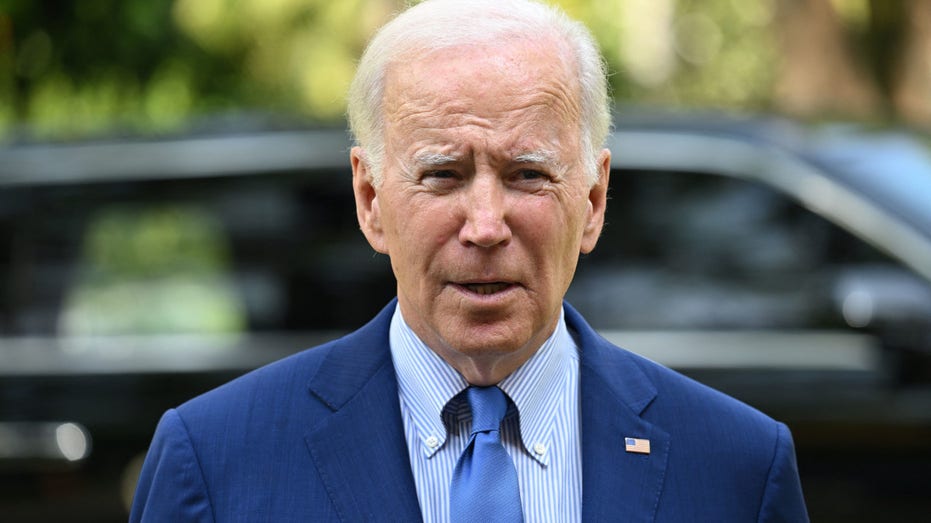
The climate and conservation agenda of the Biden administration has resulted in a series of regulations aimed at commonly used household appliances, and has also created opportunities for further measures.
In recent months, the DOE has introduced regulations aimed at improving the energy efficiency of several household appliances such as gas stoves, ovens, washing machines, refrigerators, air conditioners, and dishwashers. However, some experts have expressed concerns that these standards could result in lower product quality and increased prices.
The phenomenon is expanding to an increasing number of devices.
According to Ben Lieberman, a senior fellow at the Competitive Enterprise Institute, it appears that nearly all household appliances that require electricity or fuel are either currently facing regulations or will be in the near future. He stated in an interview with Fox News Digital that consumers will not be pleased with these developments.
The majority of the time, these regulations negatively impact consumers because they limit their options.
The Biden administration is planning to implement bans on light bulbs in the near future. However, individuals are still able to opt for more environmentally friendly options if they so choose.
According to Lieberman, these regulations impose that decision on everyone, regardless of whether it is logical for them or not.
The potential energy or water savings that could be gained from these regulations is uncertain. The Biden administration is planning to introduce new rules that will affect various appliances, such as consumer furnaces, pool pumps, battery chargers, ceiling fans, and dehumidifiers, according to the federal Unified Agenda.
The Biden administration is taking action against air conditioners as part of their ongoing efforts to reduce energy consumption and promote conservation. The Department of Energy's mission statement includes a focus on advancing energy efficiency, which is highlighted as one of their top priorities in the Unified Agenda.
In general, Democrats and environmental advocates have suggested that the use of electricity, prohibiting the use of natural gas connections, and enforcing rigorous energy efficiency regulations could hasten the decrease of greenhouse gas emissions.
Energy Secretary Jennifer Granholm announced on May 5 that the government is utilizing all available resources to both save money for Americans and encourage advancements that will decrease carbon emissions and address the climate emergency. This was revealed alongside regulations aimed at enforcing stricter standards for dishwashers, electric motors, and beverage vending machines.
The Department of Energy (DOE) is making significant strides in enhancing outdated energy efficiency standards, as mandated by Congress and in collaboration with industry partners and stakeholders. This will contribute to creating healthier and safer communities for Americans. In December, Granholm highlighted that the administration had implemented 110 measures to improve energy efficiency standards in 2022.
The U.S. regulations were reinforced, as stated by the energy secretary.
The White House took charge in the pursuit of a sustainable energy future and organized an electrification summit where Granholm played a prominent role.
At the summit, representatives from the government and environmental groups talked about methods to promote the use of electricity for buildings and transportation, while reducing the overall consumption of fossil fuels in the economy.
John Podesta, the White House's clean energy czar, emphasized the urgency of distributing these technologies to households throughout the United States as quickly as possible during the summit.
President Biden signed an executive order on his inauguration day in January 2021, which mandates the Department of Energy to make significant changes to the current appliance regulation standards and those established by the previous administration of Trump. To obtain the FOX NEWS APP, click here.
After a month, the agency provided a list of over twelve energy efficiency regulations that would be evaluated, which would affect appliances such as lamps, cooking products, and water heaters.
According to a former high-ranking official at the Department of Energy who worked under the Trump administration, their belief is that energy efficiency should be prioritized regardless of the expenses involved.
This implies that due to their strict efficiency regulations, we will witness an increase in the cost of appliances.
It is as easy as that.
In actuality, the new regulations do not result in significant energy savings.